

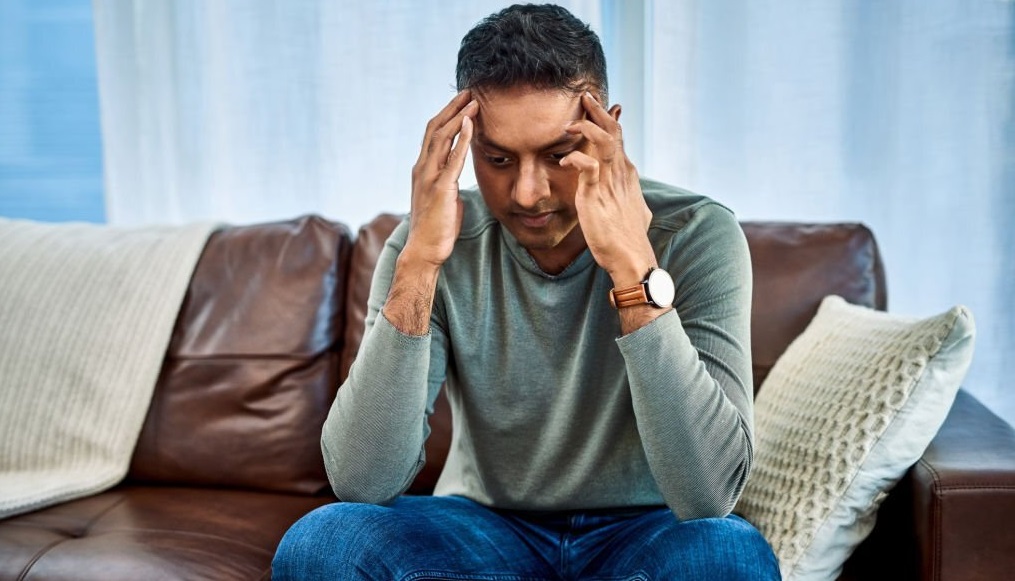
You don’t just feel tired in the morning after a night of drinking. What else accompanies is the emotional heaviness, the discomfort that can be confusing after what seemed like a normal evening.
Anxiety after drinking or “hangxiety” (hangover + anxiety) is not the same as a typical hangover because the physical discomfort of a hangover is accompanied by anxiety as well.
Simply speaking, it is not just a headache or nausea that you experience after drinking, but you could also feel a sense of guilt and panic during that period. Sometimes the intensity of these can be severe enough for you to connect with a licensed online psychiatrist to understand your condition better.
These feelings early in the morning can leave you with questions like,
- Why do I get anxiety after drinking?
- Is it normal?
- Do I need help with anxiety after drinking?
- How can it get better?
- Am I the only one who experiences this?
This internal struggle in the morning is a stark contrast to the relaxed atmosphere from last night.
You could find yourself trapped in a cycle of overthinking what went wrong in a few hours. Know that this distress is experienced by many others. The vulnerability that you feel after drinking can become clear once you understand why that happens.
Alcohol anxiety, or anxiety after drinking, can be called the feeling of uneasiness. You could be nervous, or you could worry excessively about what you said or did while drinking. Alcohol is a widely preferred beverage among Americans. Over 200 million adults 18 and above have drunk alcohol at some point in their lives, as per the 2024 National Survey on Drug Use and Health (NSDUH).
One of the reasons for the prevalence is the calm that alcohol can provide, but its aftereffects can disturb your brain’s natural balance. Anxiety after drinking can show up as:
- A constant concern
- Intrusive thoughts
- A pounding heart
- Restlessness
- Jitteriness
- Irritability or bad mood
- Difficulty focusing
Some people even prefer to avoid social situations after binge drinking, being ashamed of how they acted when they were drunk. One could also keep replaying every conversation they had and regret them.
Table of Contents
Why do I get anxiety after drinking?
You could drink for many reasons: to relieve some stress, socialise, and so forth, but when the memory of last night hits you the morning after, that’s when the guilt starts. You asking “why do I feel this way?” or “why do I get anxiety after drinking?” is not actually weird. The anxiety after drinking is more of a biological rebound effect.
The human brain works with the balance of two primary chemicals:
- One provides the calming signals – inhibitory neurotransmitters
- The other provides the active signals – excitatory neurotransmitters
You feel relaxed after drinking because alcohol increases GABA activity in your body, an inhibitory neurotransmitter. Alcohol, simultaneously, suppresses glutamate in your system, an excitatory neurotransmitter, responsible for keeping you alert.
Extra glutamate is produced in your body to fight the sedation caused by alcohol, and once it leaves your system, your brain is left in a hyperarousal state temporarily. This is why you feel jittery or restless after drinking.
Your body releases cortisol, a stress hormone, when you drink. High levels of cortisol trigger your fight-or-flight response, and you notice the physical symptoms of anxiety, sweating, or a heart beating faster, even if you are in no immediate harm.
Alcohol can also cause dehydration since it is a diuretic. Dehydration reduces your blood volume, and your heart has to work harder to push blood through the system. This racing heart can be misinterpreted by your brain as a sign of anxiety.
Anxiety is further fueled by sleeplessness. You could think that alcohol will help you sleep, but you only fall asleep faster because of its sedation. You could keep waking up later at night and not get a quality sleep. All the emotional processing or recovery that’s supposed to happen throughout the night does not happen because of alcohol.
Now, hopefully, it makes sense to you why you get anxiety after drinking. This awareness regarding the uneasiness can make the feeling less intense.
How to stop anxiety after drinking alcohol?
Anxiety after drinking usually gets better as your body recovers, but since the feeling can be intense, trying a few things can help calm you faster.
- First of all, go easy on yourself
- Rehydrate your body. Drink plenty of water or fluids that are rich in electrolytes. They will help you compensate for the lost fluid and reduce some of the physical sensations that you feel.
- Eat something, even if you don’t feel like it. Have a meal that has carbohydrates, proteins, and healthy fats. They provide you with energy and lift your mood.
- Get some rest. Sleep or at least lie down, but take time to unwind.
- Avoid coffee. It contains caffeine and is well known for contributing to anxiety if you are already feeling on edge.
- Distract yourself from the negative thoughts. Try watching your favourite show or talking to your friends, whatever works for you.
- Bring your attention to the present using grounding activities. You could also listen to calming music to reduce your panic.
You might not eliminate your anxiety immediately by doing these, but they can stabilize your nervous system. The morning after a night of drinking should be about care and not engaging in anything that worsens your agitation.
How to prevent anxiety after drinking?
Not everyone gets hangxiety, and you can also reduce your chances.
- Drink a lot of water throughout the night.
- Don’t drink on an empty stomach. Eating before or during drinking can help slow its absorption and impact.
- Consume alcohol in the amount you can tolerate because usually the more you drink, the more chances of anxiety.
- Avoid drinking when something is already bothering you or when you are having difficulty sleeping.
It is important to note that if you are taking any antidepressants or anxiolytics, you should first consult with your doctor about whether it is safe to drink while using the medications to avoid any side effects.
Is it normal to have anxiety after drinking?
In one word, yes. This hangxiety is not limited to those with anxiety disorders. Anyone who has been drinking can have anxious thoughts, but their intensity is not the same for everyone. How stressed you are, your emotional health, how much you drink, whether you are taking any medications, and your tolerance level all these factors influence the severity.
You can avoid a few emotions with alcohol, but they only come back stronger once alcohol leaves your system. Even ordinary concerns can appear to be dangerous. Anxiety after drinking can be fairly common, but it is ideal to reach out to a mental health professional when:
- Your anxiety doesn’t get better even after a day or two.
- Your feelings become severe or difficult to control
- You are having panic attacks
- You notice trembling or find your chest tight regularly
- Drinking starts affecting relationships, work, or daily functioning
- You rely on alcohol to handle emotional distress
Your symptoms don’t need to be caused by alcohol alone. There could be any underlying concern getting overlooked. A mental health professional, such as a board-certified anxiety psychiatrist, can help you get clarity. They can also assess your emotional and behavioral responses to help you understand what stresses you out and recommend appropriate coping strategies.
Taking anxiety after drinking seriously
It is not always necessary that you are unable to handle your alcohol properly. It can be more complex than that. All the emotions after drinking are not “just in your head”; they are very much real. You should not avoid these issues, especially when they start affecting your health and relationships.
You don’t need to wait until things become unbearable. You could speak with a psychiatrist even if you are just looking for clarity. Professional help provides a safe space where you can discuss your emotional struggles without judgment and learn if there’s anything that you need help with.
With telehealth, it is now easier for you to connect with a psychiatrist online without commuting. At GABA Telepsychiatry, an online psychiatrist can determine if there is any other concern beneath the alcohol and provide you with healthier and practical coping strategies. Note that reaching out for help does not make you weak. It makes you someone who takes their mental health seriously.
 sweety
  vinay
vinay